
Leyla Özay
Senior Advisor Environmental and Social Assessment

Status
Ongoing
Country page
Uganda
Activity type
Capacity development
Subject
ESIA mapping
Started on
01 April 2023
Senior Advisor Environmental and Social Assessment
ESIA and SEA capacity development for the National Environmental Management Authority and for other actors in the ESIA and SEA system in Uganda
The NCEA and the National Environmental Management Authority (NEMA) have a long-standing partnership focused on strengthening ESIA and SEA systems in Uganda.
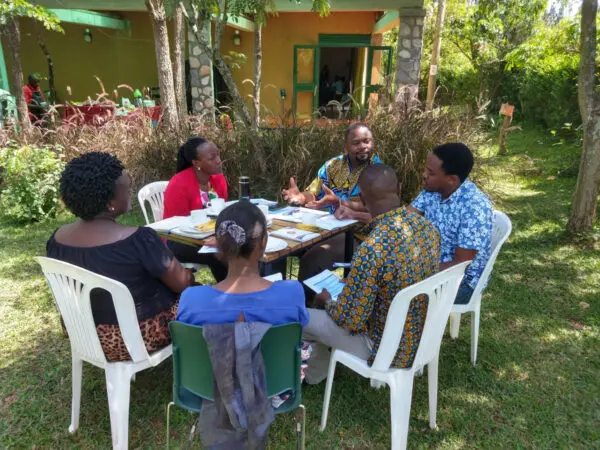
Recent activities include an ESY map workshop and introductory SEA training sessions delivered to relatively new NEMA staff in April 2023. The ESY map workshop aimed to assess and raise awareness of the strengths and weaknesses of the Uganda's ESIA system, and to identify opportunities for improvement. These opportunties included improvements in ESIA review processes, increasing awareness of ESIA among a wider audience, and allocating more time and resources for enforcement. Strengthening capacities for ESIA monitoring and compliance remains a high priority for NEMA. The full workshop report can be accessed here.
The SEA introduction featured a presentation of the SEA distant learning course developed for Uganda and provided an opportunity for exchange and evaluation by NEMA staff that (partly) completed the course.
Early 2025, the NCEA provided introductory SEA training and ESIA review training for recently joined and senior NEMA members. Late 2025, this training was repeated for high-level staff of NEMAs 4 regional offices and several line ministries and agencies including the Ministry of Transport, Ugandan Wildlife Authority, Ministry of Energy and Mineral Development and Kampala Capital City Authority. During the same visit, a working session was held targeting NEMA senior management, managers, and some senior officers from the head office and regional offices across the Department of Environmental Compliance, and Department of Enforcement and Field operations, leading to a better understanding of the current ESIA follow-up system and identifying NEMA priorities where the NCEA could provide support. These are: