Arthur Neher
Senior Advisor Environmental and Social Assessment

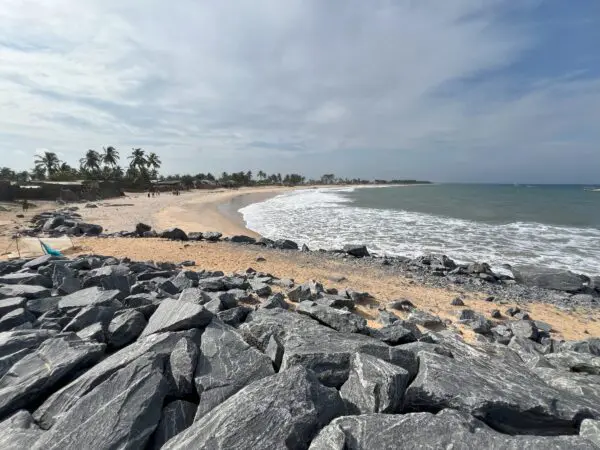
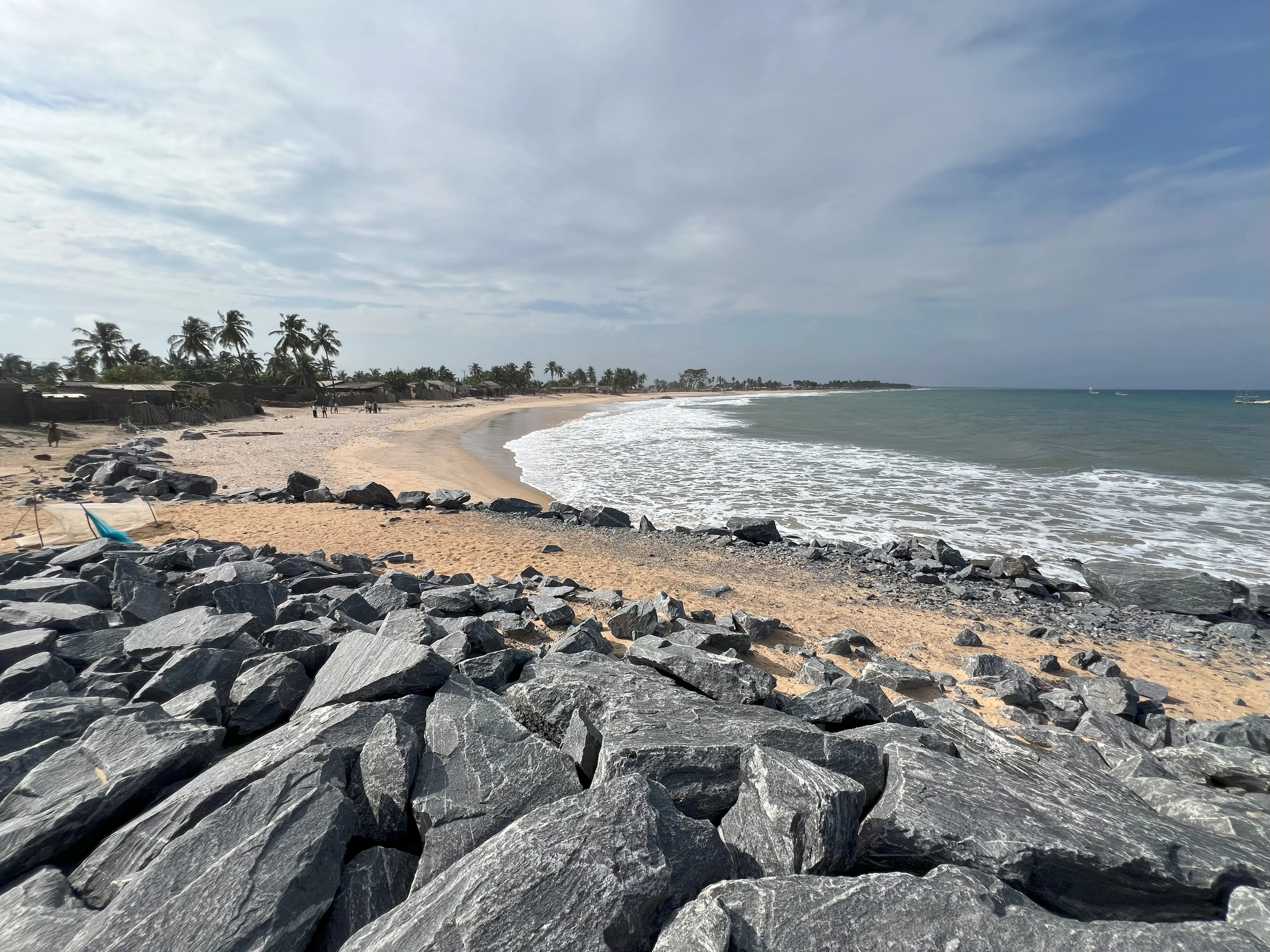
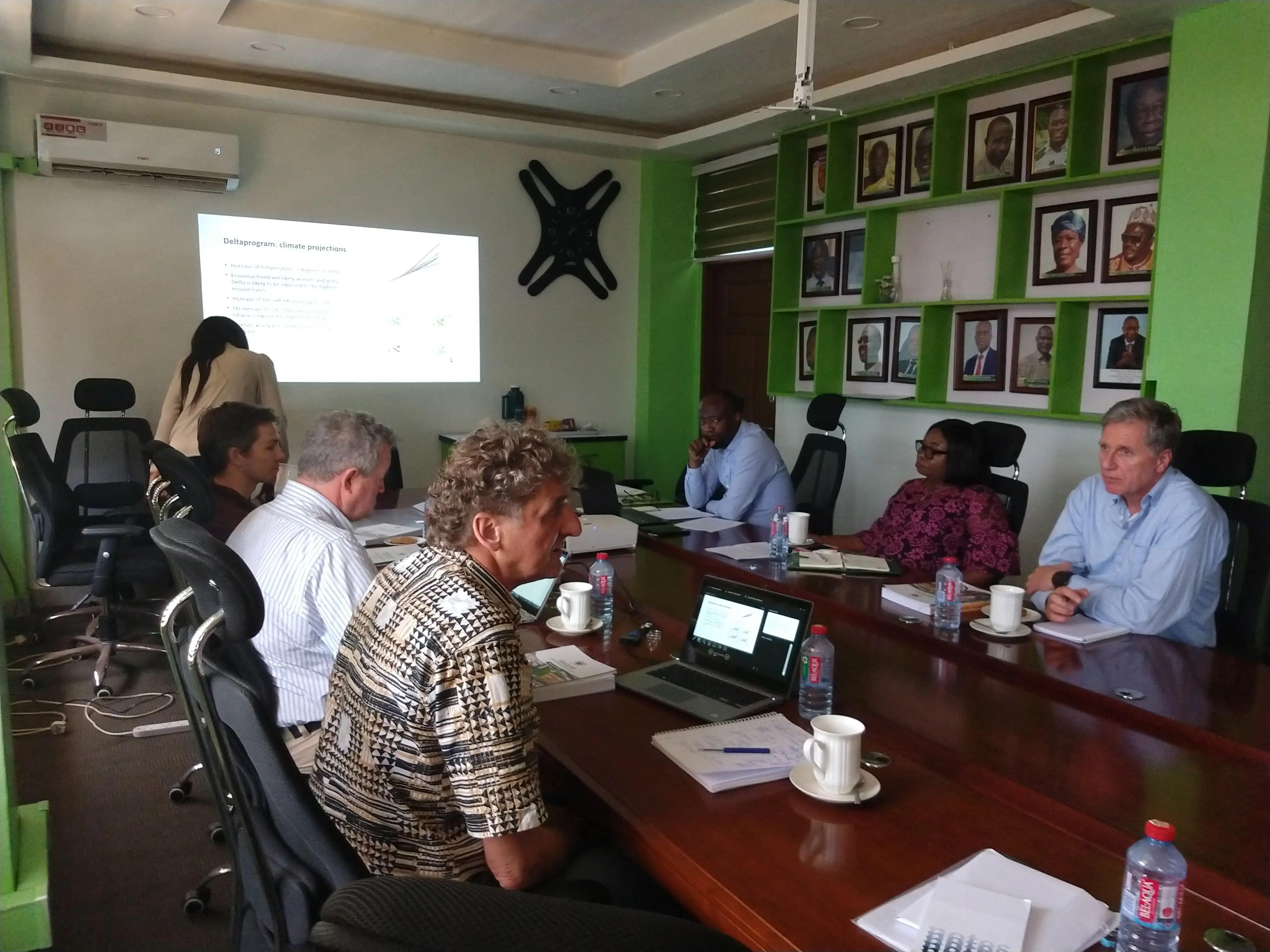
The NCEA has been working in Ghana between 2008 and 2021. The NCEA recently resumed its activities in the country, with coastal protection and the mitigation of growing negative impacts from artisanal and small‑scale gold mining emerging as the principal areas requiring support.
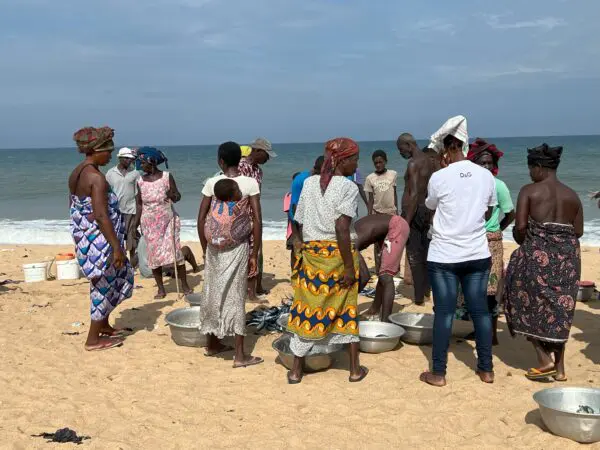
The introduction of Nature‑based Solutions to address coastal erosion, as well as the planned formalisation of concession‑based mining operations, will both require integration into spatial development planning. Subject to future requests, we anticipate expanding our engagement in spatial planning in the coming years. The overarching aim is to strengthen planning processes and to promote the use of SESA as a framework for sustainable development and inclusive stakeholder engagement, supporting policy coordination, rehabilitation efforts, and sustainable livelihoods.
The new ESIA legislation adopted at the end of 2025 represents the most significant environmental regulatory reform in more than three decades and will require renewed capacity among practitioners—an area in which the NCEA is well positioned to provide substantial support.
Senior Advisor Environmental and Social Assessment
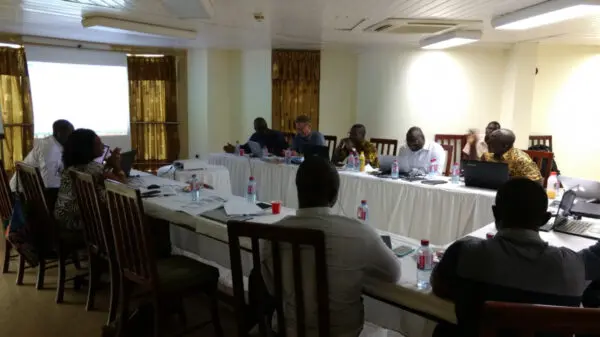
The NCEA contributed to a regional capacity building workshop for WAEMU member states.
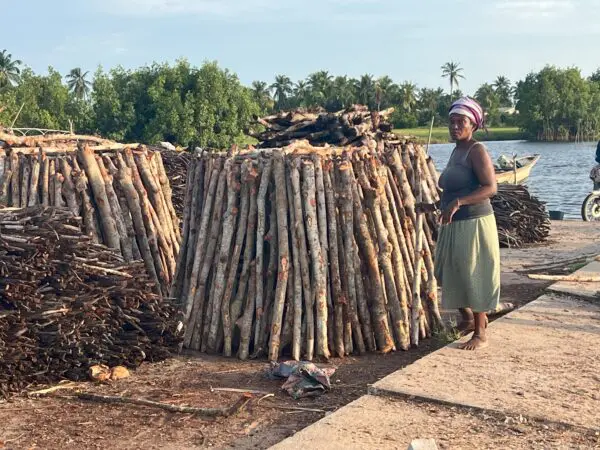
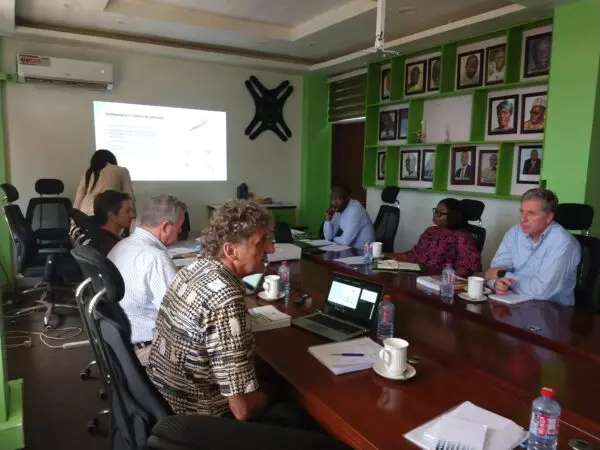
At the end of June, a working group of the NCEA participated in a three-day stakeholder meeting in the Keta Lagoon.
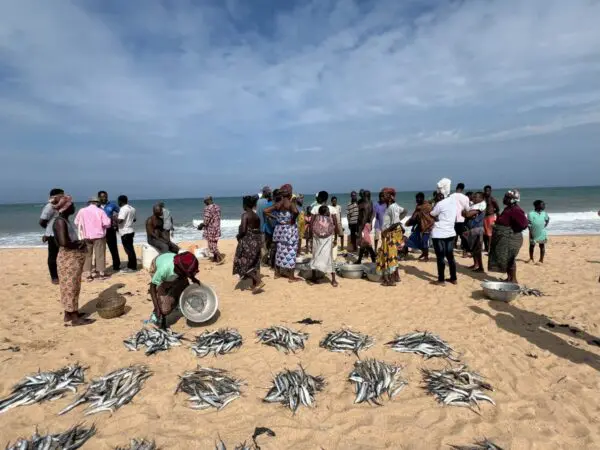
The NCEA helped to explore how to align SEA and integrated water resource management activities.
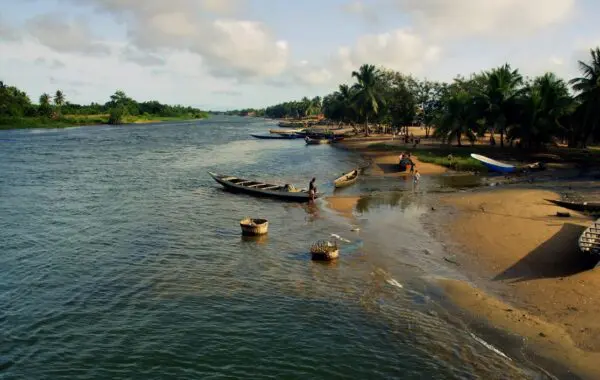
As part of the Blue Deal programme, the NCEA provides information on the use of SEA in decision-making about coastal protection.
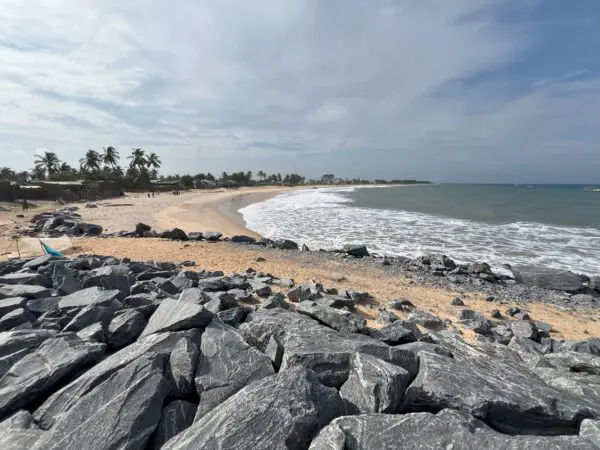
NCEA coached and supported an SEA for the Voltaian basin for oil and gas exploration in Ghana, to be developed in 2016 and 2017.